Why Can’t You Simply Grout Over Existing Grout?
Grout needs sufficient depth and properly prepared surfaces to create a strong joint between the tiles. When a thin layer of new grout is applied over existing grout, you’re effectively asking the new material to bond to the surface of the old grout rather than properly filling the joint.
That can create a weak repair.
It may look better initially, but that doesn’t necessarily mean the underlying problem has been addressed.
What Can Happen When New Grout Is Applied Over Old Grout?
Poor adhesion
New grout may struggle to form a durable bond when it is simply skimmed across the surface of existing grout. The result can be new grout that cracks, flakes or breaks away.
Existing cracks can return
If the old grout has already deteriorated, covering it doesn’t remove the damaged material underneath. You’re essentially covering the symptom rather than dealing with the deteriorated grout itself
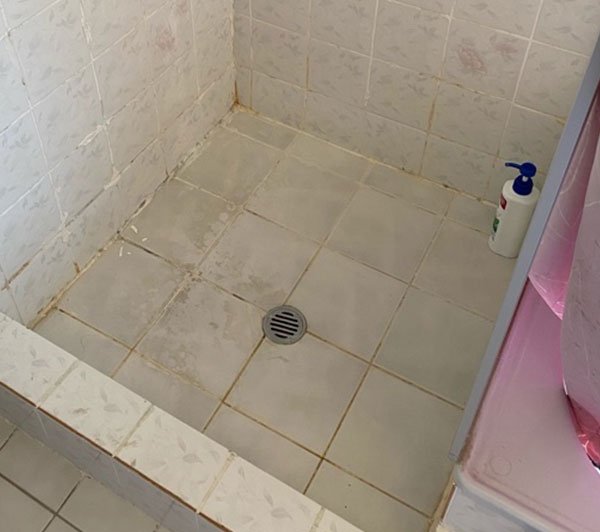
Mould and staining can remain underneath
Dark or mould-affected grout isn’t always just a surface cleaning problem. Applying grout over the top can hide the appearance temporarily without properly removing the affected old grout.
The finish can look uneven
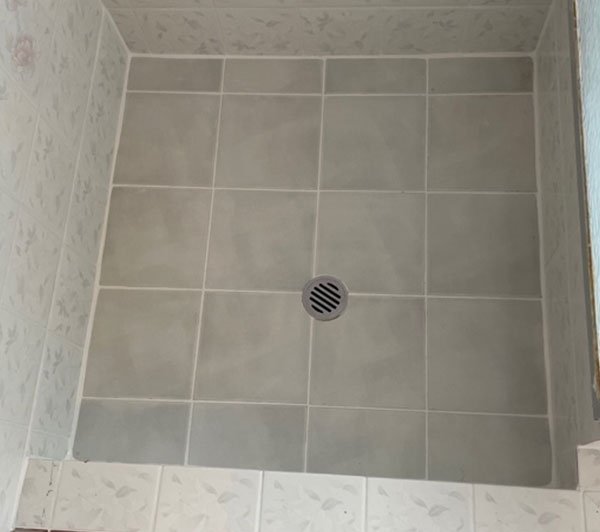
Adding grout on top of existing grout can also create inconsistent grout depths and an uneven finish. Professional regrouting aims to create clean, consistent grout lines rather than simply covering what’s already there.
When it comes to shower repairs, shortcuts can sometimes end up costing more. If the existing grout is deteriorated, the better approach is usually to remove the affected grout, properly prepare the joints and replace it, rather than simply covering it with another layer.
And if there’s something more serious happening beneath the surface, you want to know about it before applying a cosmetic fix.
What Is the Correct Way to Regrout a Shower?
A proper regrouting process starts with removing the deteriorated existing grout to an appropriate depth. The grout lines can then be cleaned and prepared before new grout is applied.
This gives the replacement grout a much better foundation and allows the technician to inspect what’s happening within the grout lines rather than simply hiding them.
Preparation is one of the biggest differences between a quick cosmetic patch and professional shower regrouting.
What About Filling Just One Small Crack?
This depends on why the grout has cracked. A small isolated area may appear to need a simple repair, but if grout is beginning to fail in several areas of the shower, repeatedly patching individual sections can become a short-term cycle.
Cracking can also sometimes indicate movement or another underlying issue.
Rather than continually filling cracks, it can be worth having the shower assessed to determine why the grout is failing.
Can I Regrout My Shower Myself?
DIY regrouting products are widely available, but removing grout without damaging the edges of the tiles takes patience, appropriate tools and attention to detail.
There is also an important distinction between improving the appearance of grout and diagnosing a shower that may have a more significant issue.
If you’re dealing with recurring cracks, loose tiles, moisture concerns or a suspected leaking shower, having the area professionally assessed is the safer option.
Perth Shower Regrouting specialises in professional shower regrouting, grout repairs and leaking shower repairs throughout Perth.
If you’re currently staring at cracked grout wondering whether you can just cover it up, talk to our team first.
A proper repair starts with understanding what’s causing the problem.
Fresh grout. Fresh start.
Need Your Shower Grout Assessed?
We’ll assess the condition of your shower, identify areas of deterioration and explain the recommended repair before work begins.